The presentations this week were all pretty solid. The colorblind ones were both the same topic, but there were definitely presented very differently. I felt somewhat bad for the first presenter as she seemed very pressed for time. The second colorblind presentation utilized videos and images in her presentation which kept my attention going. They made good points in the fact that color-blind racism is something that exists. A lot of "white feminists" and people in general tend to exclude race in the discussion, almost under the assumption that "we all bleed red" kind of idea is enough to discuss social justice matter. To look at it, yes, all humans bleed red, but the culture and identity behind race inherently affects our lives whether we like it or not. So the discussion of race is important. Such as the two girls illustrated in their presentations. To ignore the concept of race is racist in itself. People identify by their race, as most of the time they are connected to culture. Being Taiwanese, I identify with my family's culture. If one were to discuss a feminist issue with me, such as lack of women representation in the media, then it would hurt to have the fact that there is even LESS Asian women represented in the media.
With the examples they show, the fact that they were not concerned with the race of Trayvon, shows that they are ignoring the main culprit of the murder in the first place. These days people have been ignoring color in order to also fit themselves into the topic. Such as the issue of "Black lives matter" and people 'correcting' it and saying "ALL lives matter." Which isn't the issue at hand.
There were also a few with really intriguing topics. Such as the beauty blogger one and the hip-hop one. However, I cannot remember much of them to say anything. But they were definitely very unique topics that I would have never thought of popping up.
Thursday, April 23, 2015
Friday, April 17, 2015
Regarding the presentations today, I really enjoyed both that were before me. The first one was very interesting, the topic is very complex. They were really professional, and the fact they went off and did some field studies really showed their passion for the topic. I found it exciting that they interviewed professionals in the field, which is pretty cool considering that it implies they have some great networks. While the project topic isn't something I'll ever look into, I do appreciate the chance to glimpse into it.
They fact that they are using a video for their project feels very appropriate to me.
The other presentation is a topic I'm more familiar with, and I found it pretty entertaining to listen to. I enjoyed the fact that she put a lot of information forward for the audience. Women in the gaming industry has a disadvantage compared to their male counterparts. The fact that they are the largest gaming audience, says a lot of the culture that gaming was built around, assuming boys are the largest audience.
They fact that they are using a video for their project feels very appropriate to me.
The other presentation is a topic I'm more familiar with, and I found it pretty entertaining to listen to. I enjoyed the fact that she put a lot of information forward for the audience. Women in the gaming industry has a disadvantage compared to their male counterparts. The fact that they are the largest gaming audience, says a lot of the culture that gaming was built around, assuming boys are the largest audience.
Friday, April 10, 2015
http://www.pbs.org/newshour/rundown/obama-calls-end-gay-conversion-therapy-youth/
One of the biggest news I've heard so far this week is the breakthrough of Obama calling for an end to conversion therapy for LGBT youth. What is interesting is the usage of social media that sparked this decision. Leah Alcorn was a transgender teen who was put through intensive conversion therapy to revert her back to the good Christian boy that she was. She posted a suicide note, telling readers of her pain and struggles from parents who didn't understand her or try to emphasize with her. This ultimately led to a tragic suicide by jumping in front of a truck.
Her death was spread like wildfire, alongside with her suicide note on Tumblr. The tragedy was then spread around the media to showcase the toxic environment transgendered teens typically go through with no proper support.
Obama has been known as one of the presidents who truly made some milestones in LGBT+ issues that prevail this country. This step of his is a great one to creating a safer country for LGBT+ youth to live in.
Hopefully not just Leah Alcorn's suicide constitutes the end of transgender issues. There are many more dynamic issues that can be addressed such as how race comes in play. Sadly another transgender teen committed suicide too shortly after. However, his suicide was not as widespread as Leah's. A common death of suicide of transgender folks appear to be a person of color. Many instances have been overlooked in the past and present and hopefully the attention the trans community is receiving will not just end at Leah's death.
One of the biggest news I've heard so far this week is the breakthrough of Obama calling for an end to conversion therapy for LGBT youth. What is interesting is the usage of social media that sparked this decision. Leah Alcorn was a transgender teen who was put through intensive conversion therapy to revert her back to the good Christian boy that she was. She posted a suicide note, telling readers of her pain and struggles from parents who didn't understand her or try to emphasize with her. This ultimately led to a tragic suicide by jumping in front of a truck.
Her death was spread like wildfire, alongside with her suicide note on Tumblr. The tragedy was then spread around the media to showcase the toxic environment transgendered teens typically go through with no proper support.
Obama has been known as one of the presidents who truly made some milestones in LGBT+ issues that prevail this country. This step of his is a great one to creating a safer country for LGBT+ youth to live in.
Hopefully not just Leah Alcorn's suicide constitutes the end of transgender issues. There are many more dynamic issues that can be addressed such as how race comes in play. Sadly another transgender teen committed suicide too shortly after. However, his suicide was not as widespread as Leah's. A common death of suicide of transgender folks appear to be a person of color. Many instances have been overlooked in the past and present and hopefully the attention the trans community is receiving will not just end at Leah's death.
Thursday, April 2, 2015
Video games are a huge part of my life, and some days they make me happy, and some days I just have to slam my head against the nearest brick wall out of disappointment.
But Reed brings up a lot of things in this chapter that is important to discuss. First of all, video games have always been under fire for being violent in correlation with murders from serial killers. A great advocate in preventing violent video games from entering its premises is Australia, the pinnacle of video game censorship. However, the facts and research has shown that video games do not directly cause murder. The player themselves are conscious and aware of what they are playing and have their own sense of ethics to not commit crimes based off what they are playing. However like Reed said, the prevalence of violent induced video games does desensitize otherwise graphic material for the audience, which ultimately can leave one unphased by heinous crimes.
The military part of the chapter brings a lot of attention to the military's role in the video game industry. While the concern for video games replicating the battlefield to almost perfection, there are benefits for soldiers suffering from PTSD. A concern I personally have is the almost propaganda feel to a lot military video games. But not all. Take for example a game I played: Spec Ops: The Line. This video game incorporates the typical FPS game, but takes the formula and turns it into a statement. The statement being that war is not fun, it is not happy, and you really shouldn't glamorize it. There were hard decisions to make during the game and it questions the player's ethics when they choose something. Another major concern is the rampant Anti-Muslim sentiments the military games tend to emit. As in the place setting of war games targets Middle Eastern countries for their setting as you play American or European soldiers fighting their way towards peace. Also a new popular setting is North Korea.
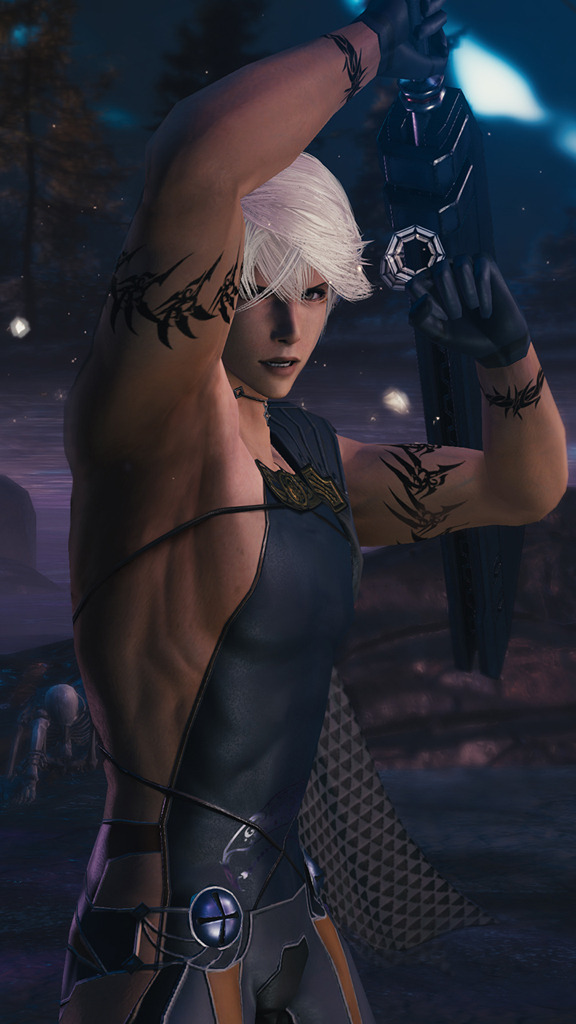
Now the issue of sexism in video games is pretty serious. But look at this beauty.

But Reed brings up a lot of things in this chapter that is important to discuss. First of all, video games have always been under fire for being violent in correlation with murders from serial killers. A great advocate in preventing violent video games from entering its premises is Australia, the pinnacle of video game censorship. However, the facts and research has shown that video games do not directly cause murder. The player themselves are conscious and aware of what they are playing and have their own sense of ethics to not commit crimes based off what they are playing. However like Reed said, the prevalence of violent induced video games does desensitize otherwise graphic material for the audience, which ultimately can leave one unphased by heinous crimes.
The military part of the chapter brings a lot of attention to the military's role in the video game industry. While the concern for video games replicating the battlefield to almost perfection, there are benefits for soldiers suffering from PTSD. A concern I personally have is the almost propaganda feel to a lot military video games. But not all. Take for example a game I played: Spec Ops: The Line. This video game incorporates the typical FPS game, but takes the formula and turns it into a statement. The statement being that war is not fun, it is not happy, and you really shouldn't glamorize it. There were hard decisions to make during the game and it questions the player's ethics when they choose something. Another major concern is the rampant Anti-Muslim sentiments the military games tend to emit. As in the place setting of war games targets Middle Eastern countries for their setting as you play American or European soldiers fighting their way towards peace. Also a new popular setting is North Korea.
Now the issue of sexism in video games is pretty serious. But look at this beauty.
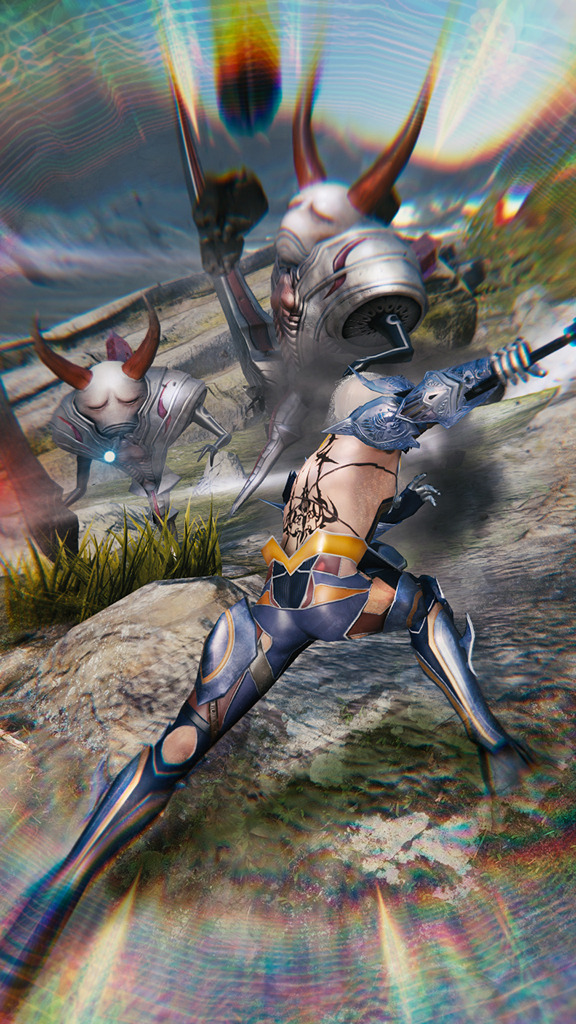
This is a new design for an upcoming Final Fantasy game. Finally after the decades of sexualizing women in video games, we have our man in skimpy armor. The reaction to this character design was priceless to many gaming women. The offended people were complaining and raging about things women have been for years about designs for women. Sometimes one has to get a taste of their own medicine to understand struggles. But despite that, we still believe that sex sells, when it truly doesn't anymore. People complaining about political correctness and social justice doesn't realize the privilege they hold when an entire industry caters towards their demographic, under the assumption they are the majority who plays video games.
But what can we do to change things? Support and buy video games that represent the minority. Such as Remember Me (biracial woman of color as main character), Mirror's Edge (non sexualized Eastern Asian woman), Gone Home (addresses a lesbian character), or Never Alone (Native Inuit game filled with culture).
ALSO, on a brief note: Hotline Miami. This ultra-violent top-down pixel shooter game rose to fame with its overall amazing gameplay. (I love that game so much) Gamers demanded for a sequel and the creators gave them one. However, when they released the trailer, a certain scene implies attempted rape. It did not happen, but the imagery was upsetting to see for some viewers. A women wrote to the writers, stating concerns for the scene and how it was triggering to watch for some viewers. GUESS WHAT. The creators listened. These two men listened to the woman and stated they did not want to upset their fans, and so they told they would change it.
Many male gamers were angered at the decision and were against taking the scene out. The controversy died out after a while. And just last month I bought Hotline Miami 2. I booted up the game, and the first thing I see is a option for me:
WOW. It is that easy. But of course people still hate the idea of options so... while kudos to Dannaton Games, the gaming community has a long way to go.
Friday, March 6, 2015
I actually can remember clearly watching the broadcasts of the revolution in 2011. I was sitting in a portable outside of my high school, during AP Government and Politics. Our teacher sat us down and decided this was a major even in history and we had to witness it. It was quite the spectacle. However, just like Castells says, while America kept up with the revolution, once Mubarak was removed from his position, we felt the revolution was over with. So eventually the media stopped reporting on it. It's more complicated than that, however. A revolution does not just end with the overthrowing of politics, the after effects of the event will change how the country functions. If I remember correctly, some reporters revisited Egypt some years later, and the situation had not gotten any better. Not to say that it has become worse, just that they reached a stalemate.
Technology played a major role in these revolutions. I believe it always had. Before the internet, the civil rights movement in the 60's had been shown nationwide. With TV and the radio, the movement reached far into nation, encouraging people of different creeds to walk with them and fight for equal rights. As said in Castells' article, the encouragement of Asmaa Mafhouz's vlog on her Facebook, she sparked the revolution, and it attracted many people of different backgrounds.
However, there is the notion of women in these movements. Castell looks into the issue of the treatment of women during these revolution. It ranged from physical assaults to sexual assaults. As the case with the "blue bra girl", a tragic assault that resulted in the anger of women. Even when they managed to get men to protest with them, the men were said to be uncomfortable with the women and sometimes looked the other way while they were being mistreated. Long in history women had been a large part of protests and revolution. But it is easy too erase them from the books, as they are very whitewashed versions of history. Is it because women are expected to be docile in a primarily patriarch society? Perhaps it is threatening to men to see women as anything but gentle and motherly humans.
Censorship was also touched on in Castell's article. It goes to show how important technology has become in our society. As mentioned, even with the revolution going on, the government had decided to lift the censorship and restore it to its original form. This being done out of pressure from the United States, economic failures, and the uselessness of stopping a movement that is already far from censorship.
Technology played a major role in these revolutions. I believe it always had. Before the internet, the civil rights movement in the 60's had been shown nationwide. With TV and the radio, the movement reached far into nation, encouraging people of different creeds to walk with them and fight for equal rights. As said in Castells' article, the encouragement of Asmaa Mafhouz's vlog on her Facebook, she sparked the revolution, and it attracted many people of different backgrounds.
However, there is the notion of women in these movements. Castell looks into the issue of the treatment of women during these revolution. It ranged from physical assaults to sexual assaults. As the case with the "blue bra girl", a tragic assault that resulted in the anger of women. Even when they managed to get men to protest with them, the men were said to be uncomfortable with the women and sometimes looked the other way while they were being mistreated. Long in history women had been a large part of protests and revolution. But it is easy too erase them from the books, as they are very whitewashed versions of history. Is it because women are expected to be docile in a primarily patriarch society? Perhaps it is threatening to men to see women as anything but gentle and motherly humans.
Censorship was also touched on in Castell's article. It goes to show how important technology has become in our society. As mentioned, even with the revolution going on, the government had decided to lift the censorship and restore it to its original form. This being done out of pressure from the United States, economic failures, and the uselessness of stopping a movement that is already far from censorship.
Friday, February 27, 2015
Chan's article thoroughly discusses the engaging conflict of culture and business. The natives of Chulucanas, a small town in Peru, were wonderful ceramics, each drenched in their culture and traditions. Their ceramics plays a large role in their society, and Chan looks into the introduction of what is essentially consumerism. One has to wonder how something as sacred as a tradition and culture can be marketed to be sold. A commodity rather than a part of a town's identity. The article shows the consequences of the newly added business model of consumerism. What had started off as the intention to encourage the artisans to create new, higher-quality, and better creations, had turned sour in the end.
What had come to be was the native artisans began focusing on profitability, where they were encouraged to sell their hard-worked products for cheap in the market. Something that was once part of their culture became shared to the world as goods for people who may just have an affinity for souvenirs from their trips. With consumerism, comes competition. Local artisans began to pit against each other to make the better profit, and their creativity ultimately backfired.
This new technology of communication and connection to the rest of the world brought cheapness to their culture. Many people will end up purchasing these long-held traditional ceramics at a cheap price, with possibly no in-depth regard to the people of the town themselves. However, I do know that Native American artists have remixed their traditional garb to newly inspired designs for fashion and accessories to purchase. However, the genuine products by Native Americans do not come cheap. This is because they are not approached by companies and people with business models on their mind. They do this because of passion and the want to use their culture for something new. Unfortunately cultures from natives or foreign countries (in regards to America) are easy targets for appropriation. Such as the "tribal" or "native" designs from popular department stores such as Forever 21 or H&M or Victoria's Secret. They held no regard to the original culture, just finding their designs aesthetically pleasing, despite the traditions held behind it.
Essentially this idea of connecting the native town of Chulucana to the rest of the world was approached incorrectly. The idea is enticing and sounds fair, however, it was not thought through. To truly connect a town with lesser technology, the person would have to talk to the people first, and understand how their community lives. The ceramics to the Chulucanas is important to their social identity, so it is best to understand that they know themselves what it is best for them.
On that thought, is it possible now to have technological imperialism (or a different word is more appropriate?) nowadays, where we, such as One Laptop Per Child is an example of, take what we believe is a "unfortunate" town with no technology and dump what we are used to, on them?
Chan's article raises many concerns on this idea of technology bringing a more negative side to places when incorporated with no thought to the natives of the place. The Chulucana artisans have been used by the consumerist tendencies of today's society. Unfortunately, they are but one of many countries being exploited.
What had come to be was the native artisans began focusing on profitability, where they were encouraged to sell their hard-worked products for cheap in the market. Something that was once part of their culture became shared to the world as goods for people who may just have an affinity for souvenirs from their trips. With consumerism, comes competition. Local artisans began to pit against each other to make the better profit, and their creativity ultimately backfired.
This new technology of communication and connection to the rest of the world brought cheapness to their culture. Many people will end up purchasing these long-held traditional ceramics at a cheap price, with possibly no in-depth regard to the people of the town themselves. However, I do know that Native American artists have remixed their traditional garb to newly inspired designs for fashion and accessories to purchase. However, the genuine products by Native Americans do not come cheap. This is because they are not approached by companies and people with business models on their mind. They do this because of passion and the want to use their culture for something new. Unfortunately cultures from natives or foreign countries (in regards to America) are easy targets for appropriation. Such as the "tribal" or "native" designs from popular department stores such as Forever 21 or H&M or Victoria's Secret. They held no regard to the original culture, just finding their designs aesthetically pleasing, despite the traditions held behind it.
Essentially this idea of connecting the native town of Chulucana to the rest of the world was approached incorrectly. The idea is enticing and sounds fair, however, it was not thought through. To truly connect a town with lesser technology, the person would have to talk to the people first, and understand how their community lives. The ceramics to the Chulucanas is important to their social identity, so it is best to understand that they know themselves what it is best for them.
On that thought, is it possible now to have technological imperialism (or a different word is more appropriate?) nowadays, where we, such as One Laptop Per Child is an example of, take what we believe is a "unfortunate" town with no technology and dump what we are used to, on them?
Chan's article raises many concerns on this idea of technology bringing a more negative side to places when incorporated with no thought to the natives of the place. The Chulucana artisans have been used by the consumerist tendencies of today's society. Unfortunately, they are but one of many countries being exploited.
Friday, February 20, 2015
Haraway's article is certainly a heavy read. It was difficult to follow at times, and she has a strong way of writing. What I mean by that is that she doesn't hold back her opinion of what she thinks about certain things. Such as making the connection of teaching modern students creationism can be considered child abuse! Wow, that's ballsy. I'm not sure if I can talk much in depth on the article since my ability to digest it is pathetic. However, I can add on to the discussions in class about her overall theory of cyborgs in relations to feminism.
One thing I'd like to get off my chest first though, is that in class I didn't get a chance to comment on examples of cyborgs. Haraway herself mentions animals. The example I found was the RoboRoach. Funded successfully on Kickstarter, this is claimed to be the "world's first commercially available cyborg". What happens is that you are able to control the cockroach wirelessly through your mobile device. Now... I'm not exactly a large sympathizer for something like cockroaches or any particular insects, but this seems kinda messed up. I mean, I'm not going to go PETA all over it. But still. This makes me wonder what cyborgs mean all of the sudden. When we make cyborgs like this, is it something meant to be controlled? Could this be applied to Haraway's idea of two contrasting elements that can combine to create a new thing that can be coined as a cyborg?
In a way, sure. I'd argue that to combine something technological to something organic certainly requires human interaction. Control too. While it's more daunting to think of someone else controlling the technological side of your cyborg body, it seems it's unethical to do that to a human. Feminism as a concept that ties in with cyborgs seem plausible.
She doesn't want the idea of feminism to be traditional. She says that traditional dualisms that we have today only contributes to the oppression of women, women of color, animals, etc. So with hybrids and cyborgs we can combine contrasting forces and create a new ideal that goes beyond traditional ideologies. Like gender. The idea of two genders, male and female is predominant in our society. However gender fluidity is a thing now, where the two genders can be combined so someone can identify with both genders without the boundaries they have with gender roles.
So overall, the idea seems sound. However there are a lot of things to consider when it comes to the definition or idea of cyborgs. The RoboRoach is an example of so. While her idea is abstract, it is frightening to see the first commercially available cyborg is an animal that is subjected to our entertainment and whims. Cockroaches are amazing creatures, by boyfriend told me. They are basically one of the sole survivors since the dinosaur ages, and we can learn a lot from them. How far can her idea go? With this new product to buy, does it say anything else about our idea of a cyborg? Would this take her idea to a new level?
One thing I'd like to get off my chest first though, is that in class I didn't get a chance to comment on examples of cyborgs. Haraway herself mentions animals. The example I found was the RoboRoach. Funded successfully on Kickstarter, this is claimed to be the "world's first commercially available cyborg". What happens is that you are able to control the cockroach wirelessly through your mobile device. Now... I'm not exactly a large sympathizer for something like cockroaches or any particular insects, but this seems kinda messed up. I mean, I'm not going to go PETA all over it. But still. This makes me wonder what cyborgs mean all of the sudden. When we make cyborgs like this, is it something meant to be controlled? Could this be applied to Haraway's idea of two contrasting elements that can combine to create a new thing that can be coined as a cyborg?
In a way, sure. I'd argue that to combine something technological to something organic certainly requires human interaction. Control too. While it's more daunting to think of someone else controlling the technological side of your cyborg body, it seems it's unethical to do that to a human. Feminism as a concept that ties in with cyborgs seem plausible.
She doesn't want the idea of feminism to be traditional. She says that traditional dualisms that we have today only contributes to the oppression of women, women of color, animals, etc. So with hybrids and cyborgs we can combine contrasting forces and create a new ideal that goes beyond traditional ideologies. Like gender. The idea of two genders, male and female is predominant in our society. However gender fluidity is a thing now, where the two genders can be combined so someone can identify with both genders without the boundaries they have with gender roles.
So overall, the idea seems sound. However there are a lot of things to consider when it comes to the definition or idea of cyborgs. The RoboRoach is an example of so. While her idea is abstract, it is frightening to see the first commercially available cyborg is an animal that is subjected to our entertainment and whims. Cockroaches are amazing creatures, by boyfriend told me. They are basically one of the sole survivors since the dinosaur ages, and we can learn a lot from them. How far can her idea go? With this new product to buy, does it say anything else about our idea of a cyborg? Would this take her idea to a new level?
Friday, February 13, 2015
Professor Arola's proposition of using the concept of regalia for online identity, is quite interesting and I enjoyed reading some of her points. The idea of mixed-race people is something I cannot comment on personally myself. I never really had any friends who were biracial, except for now in college, I know... one person. It is definitely an insightful experience they have and a very conflicting one. Who is to say what race they really are? I'd say it's honestly up to them. However, there is the common issue of the want to identify as the "white" part of them (if the biracial person has a white parent), because it is considered in society to be "better". This is not to say every mixed-race person has this thought, though. I had read some stories online from mixed-race folks who said their siblings prefer to identify as white rather than their other race, simply because it's easier to fit in.
Anyways, to use this concept as an online identity is plausible. Online, we can be fluid as possible, but there is a fine line between someone who is obviously one race, who claim to be another race. Typically these arise from fetishistic/stereotypes of the race. Mixed-people definitely suffer from self-identification. Online it's fairly similar. How many times have we established personas? In fact, right now I seem all cordial and serious, but that is just one of my many personas, my educational one. If I had to use my true self (regalia) I'd be more passionate and perhaps even typing in caps right now.
Gender and sexuality are also a very important topics to talk about. It's primarily through online communities where people learn about the fluidity of these concepts. Hardly (if ever) through school we learn of asexuality, bisexuality, transgendered, genderfluid, etc. people. But online there are communities of people who identify as these. They use the platform of access to other people online to learn more about themselves and feel less lonely in the world.
One thing I would like to comment on is Arola's beginning statement that a regalia is NOT a costume. It takes time to make and it is culturally bound. It is, however, not limited to one race. This does NOT mean that everyone can wear it as they please because they find it "cool" or "pretty" and not understand the true meaning behind it.
For example, when I see someone wear a 旗袍 (qi pao), who is not of Chinese/Taiwanese descent, I give them the benefit of the doubt. Maybe someone who is Chinese/Taiwanese gave it to them to wear because they want them to. A gift. Then that's totally cool. But sometimes you just see them wear it with no consideration for the people behind that iconic and culturally tied outfit.
To put it in one perspective. They call us Ching Chongs, slant eyed, chinky, and exotic. They made fun of us as people, but wear our clothes because it's pretty. It can also be seen as the ever trending "big butts", "large lips", and dreadlocks. Black women and men have historically be caricatured into unsightly people with animal-qualities. They poke fun at these futures. But now (mainly white women) plump their lips, draw lines outside their actual lips, go to the gym and get big butts, and white people get dreads even though their hair is not meant to be worn that way.
To take a race of people, stereotype them (Indians smell like curry, yet we love wearing bindis; Latino/Latinas are illegal immigrants, but we love their sugar skulls; Native Americans were savages and we committed genocide against them; but we love their headdresses), but then take their culture and wear it without meaning. It's awful.
Anyways, to use this concept as an online identity is plausible. Online, we can be fluid as possible, but there is a fine line between someone who is obviously one race, who claim to be another race. Typically these arise from fetishistic/stereotypes of the race. Mixed-people definitely suffer from self-identification. Online it's fairly similar. How many times have we established personas? In fact, right now I seem all cordial and serious, but that is just one of my many personas, my educational one. If I had to use my true self (regalia) I'd be more passionate and perhaps even typing in caps right now.
Gender and sexuality are also a very important topics to talk about. It's primarily through online communities where people learn about the fluidity of these concepts. Hardly (if ever) through school we learn of asexuality, bisexuality, transgendered, genderfluid, etc. people. But online there are communities of people who identify as these. They use the platform of access to other people online to learn more about themselves and feel less lonely in the world.
One thing I would like to comment on is Arola's beginning statement that a regalia is NOT a costume. It takes time to make and it is culturally bound. It is, however, not limited to one race. This does NOT mean that everyone can wear it as they please because they find it "cool" or "pretty" and not understand the true meaning behind it.
For example, when I see someone wear a 旗袍 (qi pao), who is not of Chinese/Taiwanese descent, I give them the benefit of the doubt. Maybe someone who is Chinese/Taiwanese gave it to them to wear because they want them to. A gift. Then that's totally cool. But sometimes you just see them wear it with no consideration for the people behind that iconic and culturally tied outfit.
To put it in one perspective. They call us Ching Chongs, slant eyed, chinky, and exotic. They made fun of us as people, but wear our clothes because it's pretty. It can also be seen as the ever trending "big butts", "large lips", and dreadlocks. Black women and men have historically be caricatured into unsightly people with animal-qualities. They poke fun at these futures. But now (mainly white women) plump their lips, draw lines outside their actual lips, go to the gym and get big butts, and white people get dreads even though their hair is not meant to be worn that way.
To take a race of people, stereotype them (Indians smell like curry, yet we love wearing bindis; Latino/Latinas are illegal immigrants, but we love their sugar skulls; Native Americans were savages and we committed genocide against them; but we love their headdresses), but then take their culture and wear it without meaning. It's awful.
Thursday, February 5, 2015
This was such a heart-breaking read. Honestly, I've read worst, but it's appalling to read that we outsource this traumatizing job to others outside this country. It's easy to forget where our products and services come from, since we cannot see them, and the corporations hide the truth from us. What is also disgusting is the fact that these things exist in the first place. This world is fucked up, man.
To imagine being exposed to that much pornography and acts of unspeakable nature is nothing but scarring. Like the woman in the end, she cannot forget the sight of a blindfolded, crying woman. I can't help but wonder what they think about us over seas. It explains a lot about our thoughts for overseas workers. We hide them behind our products and ignore them. It seems that we can't see them as human enough that we dump our unwanted garbage over there and pay them little for their work.
How do we solve something like this? I would safely say that the idea to put these sick fuckers to jail by reporting them to government officials. However, it is upsetting to say that it's more difficult than it seems to track these monsters down. Just like how the shadow web still exists, these people know how to conceal and hide their tracks. No bread crumbs to be found.
I don't like the fact we do this to people overseas, why should we not face our own faults? The more we hide our transgression, they will consistently exist and grow in numbers.
It's such an awful situation, this was just awful to read.
*But informative and I'm glad I read it. I had no idea this was another problem we have from reaping from other countries.
Link to the article.
To imagine being exposed to that much pornography and acts of unspeakable nature is nothing but scarring. Like the woman in the end, she cannot forget the sight of a blindfolded, crying woman. I can't help but wonder what they think about us over seas. It explains a lot about our thoughts for overseas workers. We hide them behind our products and ignore them. It seems that we can't see them as human enough that we dump our unwanted garbage over there and pay them little for their work.
How do we solve something like this? I would safely say that the idea to put these sick fuckers to jail by reporting them to government officials. However, it is upsetting to say that it's more difficult than it seems to track these monsters down. Just like how the shadow web still exists, these people know how to conceal and hide their tracks. No bread crumbs to be found.
I don't like the fact we do this to people overseas, why should we not face our own faults? The more we hide our transgression, they will consistently exist and grow in numbers.
It's such an awful situation, this was just awful to read.
*But informative and I'm glad I read it. I had no idea this was another problem we have from reaping from other countries.
Link to the article.
Thursday, January 29, 2015
Reed's chapter 9 addresses the topic of the digital gap. What it generally entails is the fact that the world is not entirely connected to the internet, which creates a gap that separates cultures from the modern era of technology. Reed makes some case points: the lack of representation and diversity on the web is jarring and discouraging, given that the population of China is much greater than the United States, yet English is the most predominant language on the web. Reed also refers to the fact that there are less Japanese speakers out there but they are over-represented. The term "have-nots" is something that refers to people who do not have access to the internet.
I'm not sure how much I felt about Reed's chapter, but since we are on the topic of the digital divide, I'd like to also discuss what I learned from a book I read last semester: "Crossing the Digital Divide: Race, Writing, and Technology in the Classroom" by Barbara Monroe. She made sure to make it clear that there is a difference between the "have-nots" and "want-nots". Just because there are people out there that do not have access to the internet or technology does not mean they are unintelligent or poor. There are people out there that feel they do not need these things, instead they feel a need to have necessities, such as food, water, and shelter, rather than technology.
Monroe created many different case studies to show the many cases of the digital divide, and race does play a major part in it. She had a case study that had college students become tutors to inner-city young African-American students. They had a large discrepancy between styles and use with technology. The African-American students were inadvertently being put down as the white college students did not realize their privilege over the African-American students. Thus it was found the African-American students avoided using AAVE and sometimes fabricated stories of wealth to appear similar to their tutors.
The digital divide is long from being bridged, but one has to remember that it's not tragic that people do not have access to these technologies or the internet. Having the lack of access does not imply anything of the individual themselves, but more of the government they are under.
Sometimes the lack of technology and internet can be seen as an economic issue, that poor people just can't afford it. And this is true, however the individual cannot be seen as unintelligent (like they can't figure out how to use a computer) or lazy (why they can't just get a better job or go back to college). This is because poverty is systemic problem.
Monroe created many different case studies to show the many cases of the digital divide, and race does play a major part in it. She had a case study that had college students become tutors to inner-city young African-American students. They had a large discrepancy between styles and use with technology. The African-American students were inadvertently being put down as the white college students did not realize their privilege over the African-American students. Thus it was found the African-American students avoided using AAVE and sometimes fabricated stories of wealth to appear similar to their tutors.
The digital divide is long from being bridged, but one has to remember that it's not tragic that people do not have access to these technologies or the internet. Having the lack of access does not imply anything of the individual themselves, but more of the government they are under.
Sometimes the lack of technology and internet can be seen as an economic issue, that poor people just can't afford it. And this is true, however the individual cannot be seen as unintelligent (like they can't figure out how to use a computer) or lazy (why they can't just get a better job or go back to college). This is because poverty is systemic problem.
Thursday, January 22, 2015
I have a confession to make. Nakamura's article brings it up right away: the fact that the internet has the potential and anonymity to create a genderless/raceless environment. However the moment we enter (if we had not already boldly claim our identities), we are assumed to be white, able-bodied, cis males. Now here is where my confession comes in: no matter what video game I played, I chose to be a white male avatar. I am an Asian-American woman, and for some reason I was more compelled to be a white male when I had been given the chance. This reinforces my own oppression of my race and gender. However, while I still do this occasionally, I had to step back and realize my own wrong-doings. Being an Asian character is not bad at all. I had such deep hatred for my "Asian" looks (small eyes, a flat nose, dark eyes), that I believed the video game avatars were ugly when they were anything but white.
These racial-aggression only dug the self-hatred deeper. (And it does not help that any time an Asian character is, they are seen as a stereotype: kung-fu master, dragon lady, cute and innocent, a geisha, school girl, nerd, quiet, etc.) I didn't help my case by continuing to deny my own identity online. However this all changed when I encountered Tumblr where many communities of minorities are built to gain solidarity and support. I still create a white male character occasionally, but I took a conscious effort to create characters of another gender and race.
But there is always a double-edge to self-identification online. I had an OKCupid account at one point, and I typed in the fact I was Asian, and I received a shit ton of responses. And I strongly believe it is because I claimed my identity. I was flattered and getting a boost of self-esteem, but then I realized the amount of fetishizing I have encountered. Men enjoyed the fact I was Asian, which was really fucking creepy. So on Tumblr I found this graph of data retrieved from OKCupid:

Race plays a huge part online. Evident in dating websites. And this is just the surface of it. This stems from cybertyping, which came from stereotypes drawn in from the real world. Asian women are seen as exotic and submissive, a mail-order bride, or school girl, cute and small, so men gravitates towards them. And Latina women are seen as "spicy" and "sexy", while black women have been oppressed by even black men. (Proof on twitter where black men have slandered black women in favor of white or light-skinned women).
Nakamura also discusses the issue of the model minority, and I strongly believe it was a ploy by the white people to pit minorities against each other. There is no lie, the model minority term emerged in the newspapers in the 1960s (when the civil rights movement was ongoing), and ultimately it served no justice to the Asian-Americans themselves but rather has a warning, an attack on the African-American community. It was ultimately made to further support the white supremacy, while keeping the Asian-Americans quiet and degrading the African-Americans at the same time. Killed two birds with one stone. (Link to a short Tumblr article that sums this up better than me.)
These racial-aggression only dug the self-hatred deeper. (And it does not help that any time an Asian character is, they are seen as a stereotype: kung-fu master, dragon lady, cute and innocent, a geisha, school girl, nerd, quiet, etc.) I didn't help my case by continuing to deny my own identity online. However this all changed when I encountered Tumblr where many communities of minorities are built to gain solidarity and support. I still create a white male character occasionally, but I took a conscious effort to create characters of another gender and race.
But there is always a double-edge to self-identification online. I had an OKCupid account at one point, and I typed in the fact I was Asian, and I received a shit ton of responses. And I strongly believe it is because I claimed my identity. I was flattered and getting a boost of self-esteem, but then I realized the amount of fetishizing I have encountered. Men enjoyed the fact I was Asian, which was really fucking creepy. So on Tumblr I found this graph of data retrieved from OKCupid:
Race plays a huge part online. Evident in dating websites. And this is just the surface of it. This stems from cybertyping, which came from stereotypes drawn in from the real world. Asian women are seen as exotic and submissive, a mail-order bride, or school girl, cute and small, so men gravitates towards them. And Latina women are seen as "spicy" and "sexy", while black women have been oppressed by even black men. (Proof on twitter where black men have slandered black women in favor of white or light-skinned women).
Nakamura also discusses the issue of the model minority, and I strongly believe it was a ploy by the white people to pit minorities against each other. There is no lie, the model minority term emerged in the newspapers in the 1960s (when the civil rights movement was ongoing), and ultimately it served no justice to the Asian-Americans themselves but rather has a warning, an attack on the African-American community. It was ultimately made to further support the white supremacy, while keeping the Asian-Americans quiet and degrading the African-Americans at the same time. Killed two birds with one stone. (Link to a short Tumblr article that sums this up better than me.)
Friday, January 16, 2015
It is understandable that Reed's first chapter is used to define and set up the context for the rest of the book. While I feel, that indeed, it seems to be a non-engaging discussion in light of the future topics, it still seems necessary to include. I find his take on technology to be somewhat refreshing. Simply because outright he clarifies that he will attempt to avoid biases where he would sound like he inherently praises technology like a god, or criticize it like a technophobe. He does makes some good points about how technology is shaping our world faster than ever. And he does delve into the fact that technology is blending into the real world. Our vocabulary is becoming more expansive, and not in the sense that we have bigger words, but we have simplified words that gets points across without extra flourish.
Information is certainly very important in today's society, and the internet is a plethora of gaining it. I do like his comparison of the internet to a wave. While a experienced web surfer may find what they need exactly and branch out from it with ease, I feel they might be limited in what they can come across. People who just ride the wave where it takes it, I feel are more prone to stumbling across random bits of information. The internet seems to hold so much more than libraries out there can. If you think about it, libraries consists of books that have went to publishers and have been proof read before it was printed. However, in the internet you can find personal blogs, where people can speak their own mind and personal experiences.
It seems that there can be no censorship in these types of writing, which is exciting (and sometimes boring or offensive). To be able to communicate with others and share their lives with each other seems to form pen-pals more efficiently and more frequently than before (where in grade school we get assigned one and we wrote letters). I do like the fact that you can see pictures too. To have imagery alongside with text creates a multi-medial space for more engagement and personal connection.
I am curious, however to what the future can hold, but part of me is afraid of the new things we can come up with. Apparently with all the new technologies coming forward, I can definitely see our lives becoming more public rather than private. I can't imagine anyone being open to constantly under scrutiny by their peers. One can isolate themselves, but it will be at a cost of not being able to connect properly with society. n other words, Reed is right about the prospect of internet, and that it holds a lot more than our previous technologies can ever have. While this sets up for illegal and disgusting things people can put up (hint: the Shadow web; absolutely disgusting), it also provides a connectivity that we have never imagined to come across. I say we're very lucky to have all these technology around us, and I'm grateful for the culture it built.
Information is certainly very important in today's society, and the internet is a plethora of gaining it. I do like his comparison of the internet to a wave. While a experienced web surfer may find what they need exactly and branch out from it with ease, I feel they might be limited in what they can come across. People who just ride the wave where it takes it, I feel are more prone to stumbling across random bits of information. The internet seems to hold so much more than libraries out there can. If you think about it, libraries consists of books that have went to publishers and have been proof read before it was printed. However, in the internet you can find personal blogs, where people can speak their own mind and personal experiences.
It seems that there can be no censorship in these types of writing, which is exciting (and sometimes boring or offensive). To be able to communicate with others and share their lives with each other seems to form pen-pals more efficiently and more frequently than before (where in grade school we get assigned one and we wrote letters). I do like the fact that you can see pictures too. To have imagery alongside with text creates a multi-medial space for more engagement and personal connection.
I am curious, however to what the future can hold, but part of me is afraid of the new things we can come up with. Apparently with all the new technologies coming forward, I can definitely see our lives becoming more public rather than private. I can't imagine anyone being open to constantly under scrutiny by their peers. One can isolate themselves, but it will be at a cost of not being able to connect properly with society. n other words, Reed is right about the prospect of internet, and that it holds a lot more than our previous technologies can ever have. While this sets up for illegal and disgusting things people can put up (hint: the Shadow web; absolutely disgusting), it also provides a connectivity that we have never imagined to come across. I say we're very lucky to have all these technology around us, and I'm grateful for the culture it built.
Subscribe to:
Posts (Atom)