But Reed brings up a lot of things in this chapter that is important to discuss. First of all, video games have always been under fire for being violent in correlation with murders from serial killers. A great advocate in preventing violent video games from entering its premises is Australia, the pinnacle of video game censorship. However, the facts and research has shown that video games do not directly cause murder. The player themselves are conscious and aware of what they are playing and have their own sense of ethics to not commit crimes based off what they are playing. However like Reed said, the prevalence of violent induced video games does desensitize otherwise graphic material for the audience, which ultimately can leave one unphased by heinous crimes.
The military part of the chapter brings a lot of attention to the military's role in the video game industry. While the concern for video games replicating the battlefield to almost perfection, there are benefits for soldiers suffering from PTSD. A concern I personally have is the almost propaganda feel to a lot military video games. But not all. Take for example a game I played: Spec Ops: The Line. This video game incorporates the typical FPS game, but takes the formula and turns it into a statement. The statement being that war is not fun, it is not happy, and you really shouldn't glamorize it. There were hard decisions to make during the game and it questions the player's ethics when they choose something. Another major concern is the rampant Anti-Muslim sentiments the military games tend to emit. As in the place setting of war games targets Middle Eastern countries for their setting as you play American or European soldiers fighting their way towards peace. Also a new popular setting is North Korea.
Now the issue of sexism in video games is pretty serious. But look at this beauty.
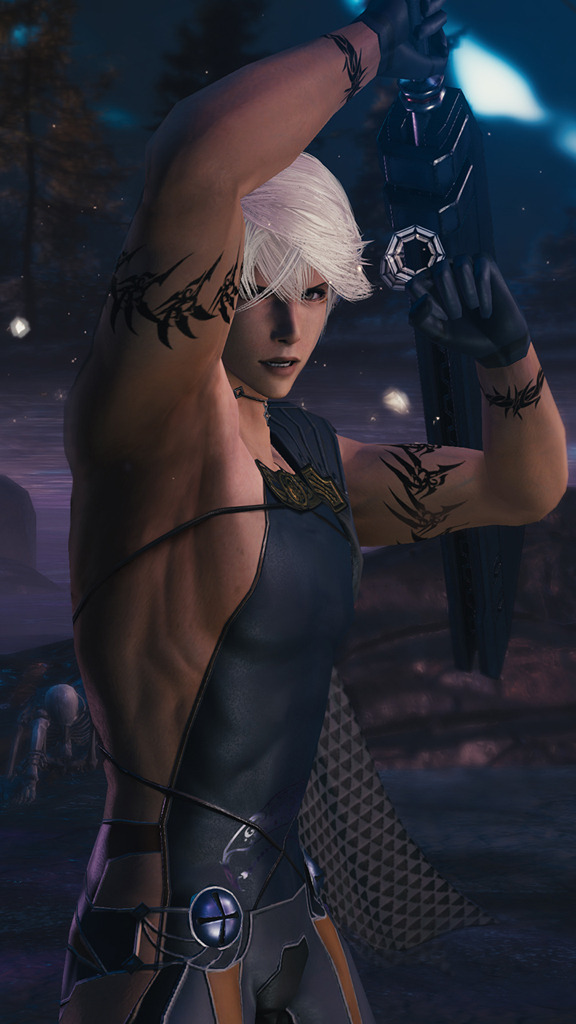
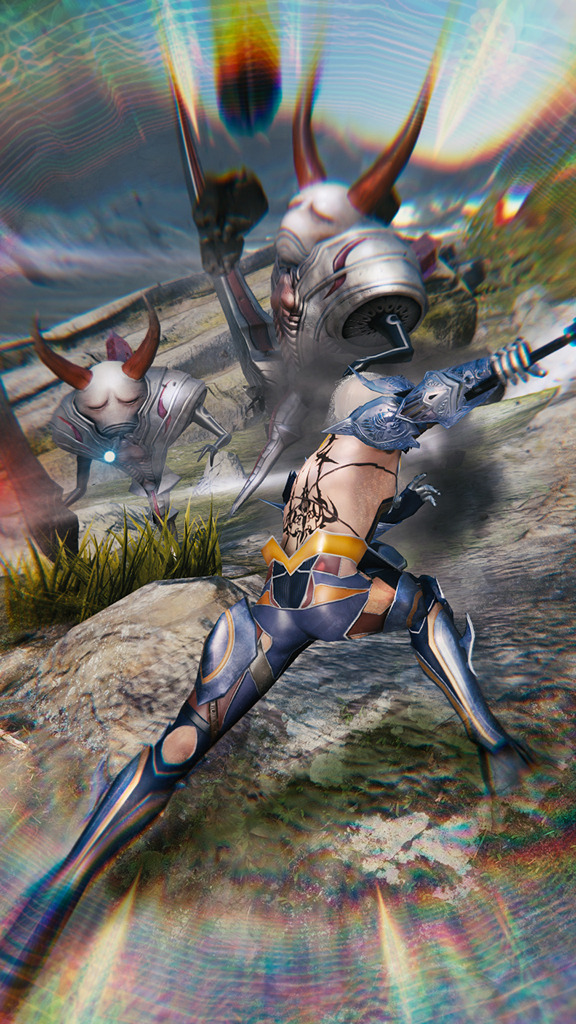
This is a new design for an upcoming Final Fantasy game. Finally after the decades of sexualizing women in video games, we have our man in skimpy armor. The reaction to this character design was priceless to many gaming women. The offended people were complaining and raging about things women have been for years about designs for women. Sometimes one has to get a taste of their own medicine to understand struggles. But despite that, we still believe that sex sells, when it truly doesn't anymore. People complaining about political correctness and social justice doesn't realize the privilege they hold when an entire industry caters towards their demographic, under the assumption they are the majority who plays video games.
But what can we do to change things? Support and buy video games that represent the minority. Such as Remember Me (biracial woman of color as main character), Mirror's Edge (non sexualized Eastern Asian woman), Gone Home (addresses a lesbian character), or Never Alone (Native Inuit game filled with culture).
ALSO, on a brief note: Hotline Miami. This ultra-violent top-down pixel shooter game rose to fame with its overall amazing gameplay. (I love that game so much) Gamers demanded for a sequel and the creators gave them one. However, when they released the trailer, a certain scene implies attempted rape. It did not happen, but the imagery was upsetting to see for some viewers. A women wrote to the writers, stating concerns for the scene and how it was triggering to watch for some viewers. GUESS WHAT. The creators listened. These two men listened to the woman and stated they did not want to upset their fans, and so they told they would change it.
Many male gamers were angered at the decision and were against taking the scene out. The controversy died out after a while. And just last month I bought Hotline Miami 2. I booted up the game, and the first thing I see is a option for me:

WOW. It is that easy. But of course people still hate the idea of options so... while kudos to Dannaton Games, the gaming community has a long way to go.
The idea of violence in gaming desensitizing is something that the media draws upon whenever a violent crime is perpetrated. While I do agree that this desensitization does occur I'd like to think that people have more sense than mainstream media assumes of gamers. I would want more solid evidence before attempting to draw conclusions especially in the court of law, where gaming is seemingly under constant attack. In actuality violence permeates all aspects of our culture, whether that be gaming or TV shows and movies. I pose that such violent depicts is symptomatic of a bigger issue, not a cause of such problems in society. Your example of Hotline Miami was intriguing, especially the fact that the developers were sensitive enough to social issues to accommodate individuals with sensitive backgrounds.
ReplyDelete